


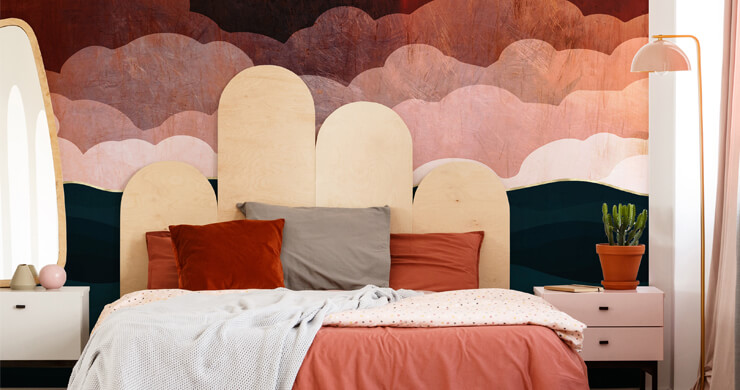
Sunbaked hues are stepping into the spotlight, bringing with them a warmth that feels both nostalgic and refreshingly bold. Inspired by desert landscapes, Mediterranean villages, and long golden afternoons, this emerging color trend celebrates reds, oranges, and yellows in their richest, most natural forms.
As interiors begin to move away from cooler grays and muted palettes, sunbaked tones offer something far more inviting. They wrap a space in warmth, create atmosphere, and feel deeply connected to the natural world.
What Are Sunbaked Hues?
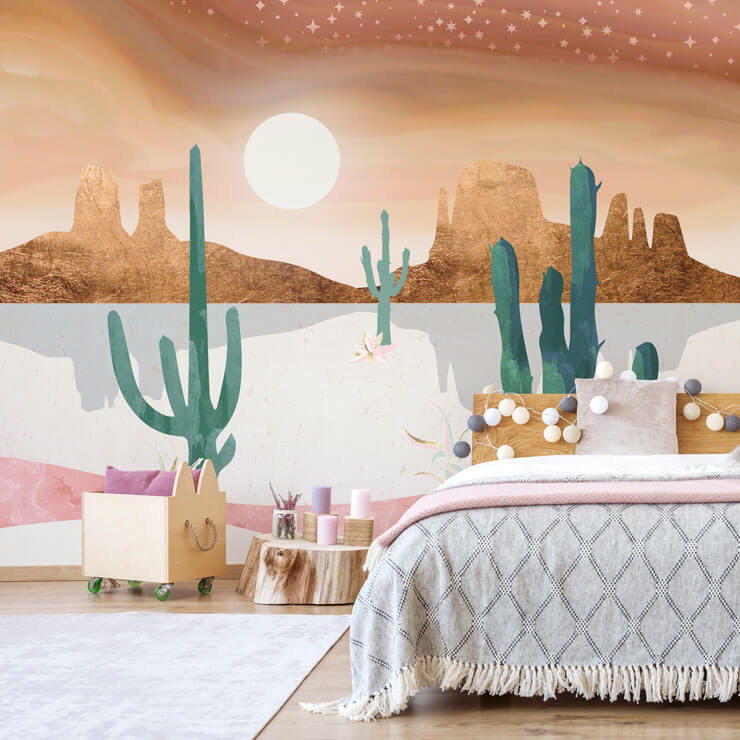
At the heart of this trend is a desire for comfort and character. Where cooler tones once dominated for their clean, minimal appeal, they can sometimes feel distant or impersonal.
Sunbaked hues shift the focus back to lived-in spaces that feel layered and expressive. Think terracotta walls that echo clay rooftops, burnt orange textiles that mirror desert sands at dusk, and ochre accents that capture the glow of late afternoon sun. These colors do not just decorate a room, they shape its mood and identity.
Why We’re Moving Away from Cooler Tones
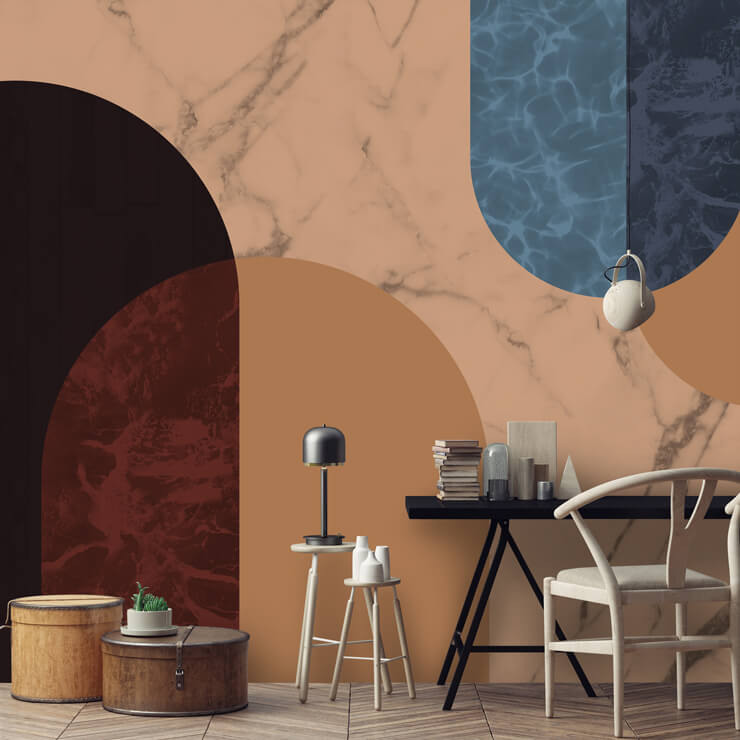
For years, cooler palettes of gray, blue, and muted neutrals defined modern interiors. While sleek and versatile, these tones can lack the warmth many homeowners now crave. As lifestyles shift towards comfort, wellbeing, and individuality, interiors are following suit.
Sunbaked hues answer this need perfectly. They feel grounding and human, creating spaces that are not only visually appealing but emotionally comforting. Rather than stark minimalism, we are seeing a move towards softness, depth, and spaces that feel genuinely lived in.
Where Sunbaked Hues Work Best
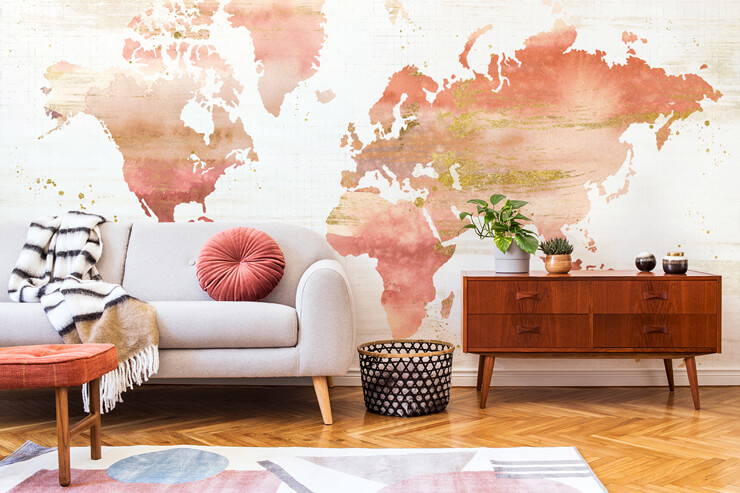
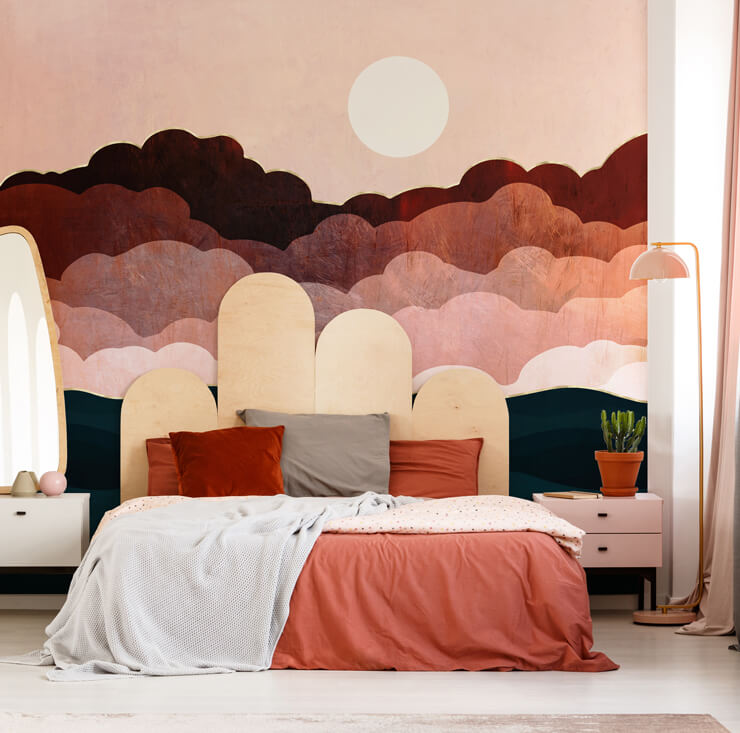
Desert Blooms Abstract Map mural
Living Rooms
Living rooms are one of the most natural homes for sunbaked hues. A space designed for relaxing and socialising benefits from the cocooning effect these colors provide. Soft furnishings are an easy starting point, with cushions, throws, and rugs in warm tones instantly transforming a neutral base. For a bolder approach, a feature wall in a deep rust or clay shade can anchor the room and create a striking focal point. Paired with soft lighting and tactile materials, the result is a space that feels both grounded and welcoming.
Kitchens
Sunbaked hues bring richness and depth to kitchens, especially when paired with natural materials. Wooden cabinetry, stone worktops, and ceramic finishes all work harmoniously with warm tones. A terracotta backsplash or warm ochre wall introduces color without overwhelming the space. These shades also have a timeless quality, making them suitable for both contemporary and traditional kitchen designs.
Bedrooms
Bedrooms benefit from the softer side of this palette. While bold reds and oranges can feel energising, gentler variations such as dusty rose, peach, or clay create a more restful environment. Layering these tones through bedding, curtains, and wall finishes builds depth while maintaining a calm atmosphere. The result is a bedroom that feels warm, cocooning, and quietly luxurious.
Colors That Complement Sunbaked Hues
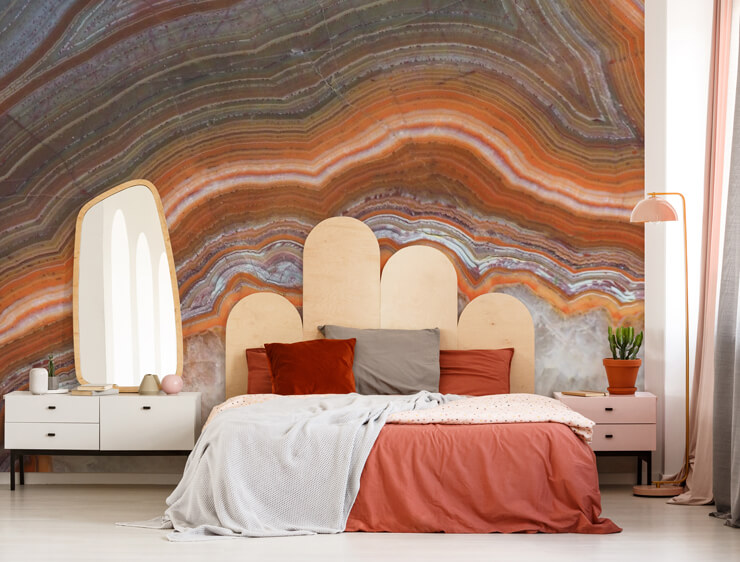
Earthy Neutrals
Earthy neutrals are a natural partner for sunbaked tones. Shades such as warm beige, soft taupe, and creamy off-whites help to ground the palette and prevent it from feeling overwhelming. These colors act as a canvas, allowing richer hues to stand out while maintaining balance.
Greens
Olive, sage, and deeper forest greens work beautifully alongside sunbaked hues. This pairing mirrors nature, evoking sun-scorched landscapes softened by resilient plant life. Adding greenery through plants or botanical designs enhances the overall look, bringing freshness and contrast.
Soft Contrasts
For a more contemporary feel, touches of dusky pink or soft lilac can provide subtle contrast. These cooler accents break up the warmth and add dimension, ensuring the palette feels layered and modern rather than one-dimensional.
Materials That Enhance the Look
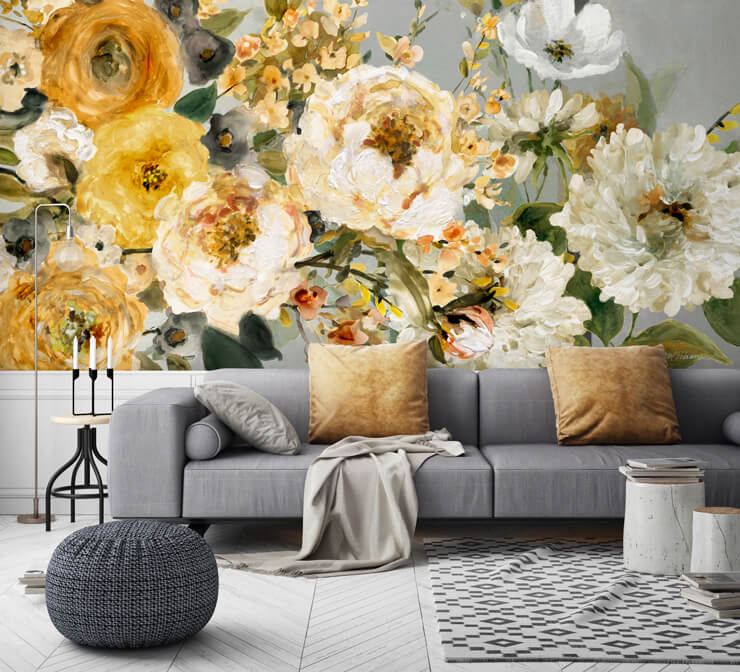
Materials play a crucial role in bringing sunbaked hues to life. Natural textures are key to achieving an authentic, grounded aesthetic. Raw wood, linen fabrics, woven rattan, and textured ceramics all enhance the warmth of the palette.
Stone is particularly effective, whether used for flooring, worktops, or decorative elements. Lighter stones soften deeper tones, while darker varieties add contrast and depth. Metals such as aged brass and copper also complement these hues, reflecting light in a way that enhances their natural glow.
The Role of Lighting
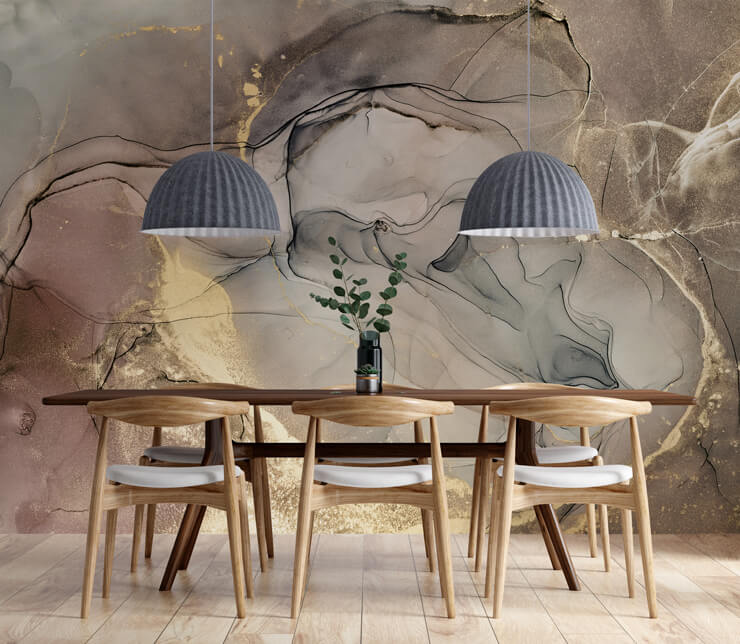
Lighting is essential when working with sunbaked hues. Warm lighting enhances their richness, creating a soft and inviting atmosphere. Diffused light works particularly well, helping to highlight textures and subtle tonal variations. Natural light also plays an important role. These colors shift beautifully throughout the day, appearing brighter and more energizing in sunlight, then deeper and more enveloping as evening sets in.
Styling Sunbaked Hues Across Interior Styles
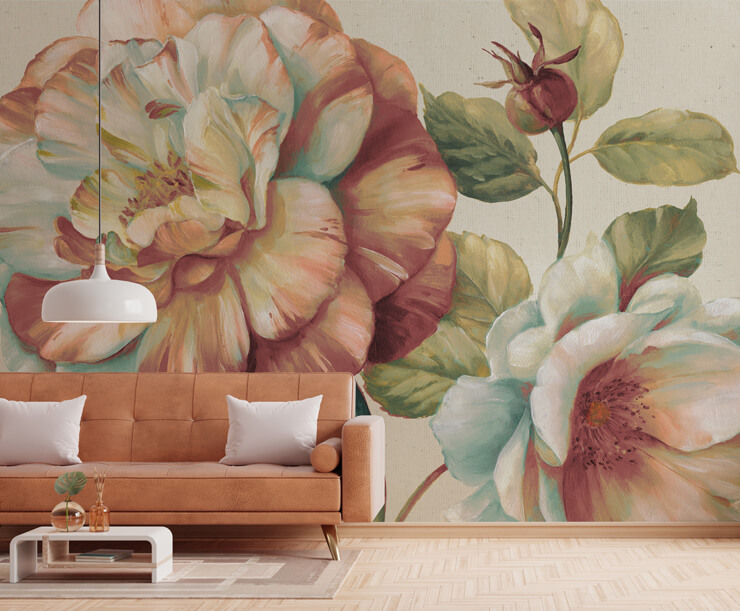
One of the most appealing aspects of this trend is its versatility. In Mediterranean-inspired interiors, sunbaked hues feel completely at home, paired with whitewashed walls, rustic wood, and artisanal details. In contemporary spaces, they add warmth and contrast to clean lines and minimalist forms. Even in industrial interiors, touches of rust and clay can soften harder materials, creating a more inviting and balanced look.
Bring Earthy Warmth to Your Home
Sunbaked hues represent more than just a color trend. They reflect a broader shift towards interiors that feel personal, comforting, and connected to the natural world. By embracing warm, earthy tones, it becomes possible to create spaces that feel both stylish and deeply welcoming.
Whether introduced through subtle accents or bold design choices, these colors have the power to transform a room. Rooted in nature and rich in character, sunbaked hues bring warmth, depth, and a sense of place into the home, making them a defining trend for the years ahead.
Latest Social