


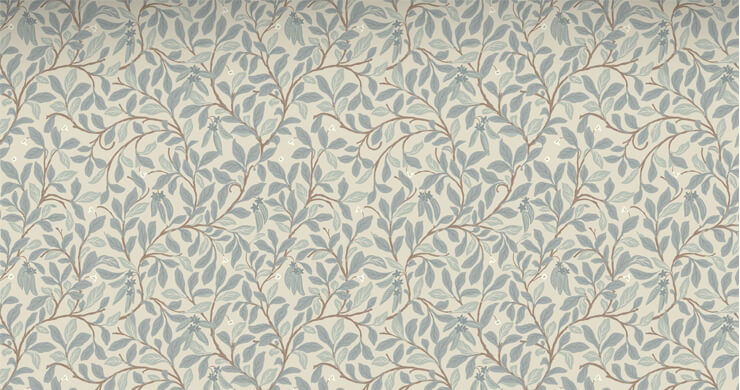
Quando se trata de transformar uma divisão, poucas escolhas de design têm tanto impacto como o que se coloca nas paredes. Quer pretenda renovar um espaço desgastado ou criar algo totalmente novo, é importante compreender as opções que tem à sua disposição.
Embora possam parecer semelhantes à primeira vista, a diferença entre papel de parede e murais de parede pode alterar completamente o aspeto, a sensação e a personalidade do seu interior. Neste guia, explicamos exatamente o que distingue o papel de parede dos murais de parede, como são utilizados e como escolher o mais adequado para o seu espaço.
O que é papel de parede?
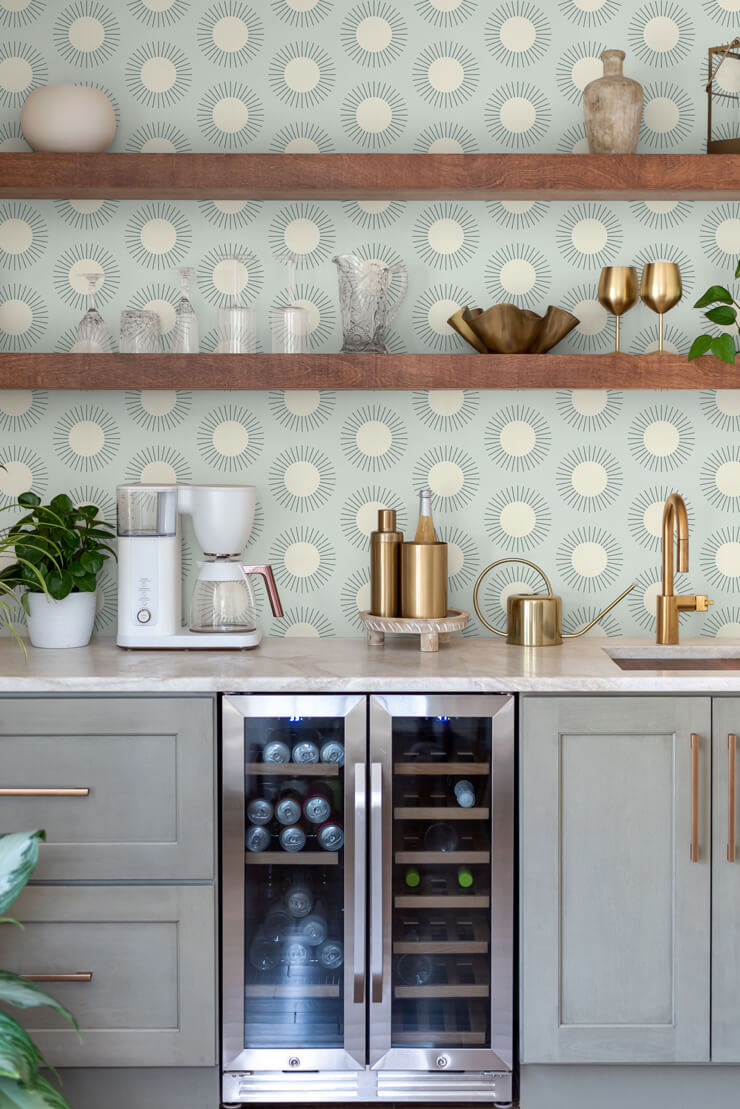
Papel de parede: Sunburst Hazy Daytime
O papel de parede é um revestimento decorativo para paredes que apresenta um padrão ou desenho repetitivo. É normalmente fornecido em rolos e aplicado em faixas verticais, com o padrão a coincidir em cada lâmina para criar um acabamento contínuo e sem costuras.
Desde motivos florais suaves e botânicos intricados a padrões geométricos arrojados e riscas clássicas, o papel de parede caracteriza-se pela repetição. Esta repetição permite que o desenho flua de forma consistente em paredes de qualquer tamanho, tornando-o uma escolha altamente adaptável para uma vasta gama de interiores.
Um dos principais pontos fortes do papel de parede é a sua versatilidade. Pode ser utilizado nas quatro paredes para criar um visual coeso, ou aplicado numa única parede para um efeito mais discreto. Como o desenho se repete, não depende de uma disposição específica, o que facilita a sua aplicação em divisões com janelas, portas ou formas invulgares.
O papel de parede também desempenha um papel importante na criação de camadas num espaço. Muitas vezes, funciona como pano de fundo, complementando o mobiliário, as texturas e os acessórios, em vez de dominar a divisão. Isto torna-o particularmente eficaz em salas de estar, quartos e corredores, onde o equilíbrio e a coesão são fundamentais.
O que é um mural de parede?
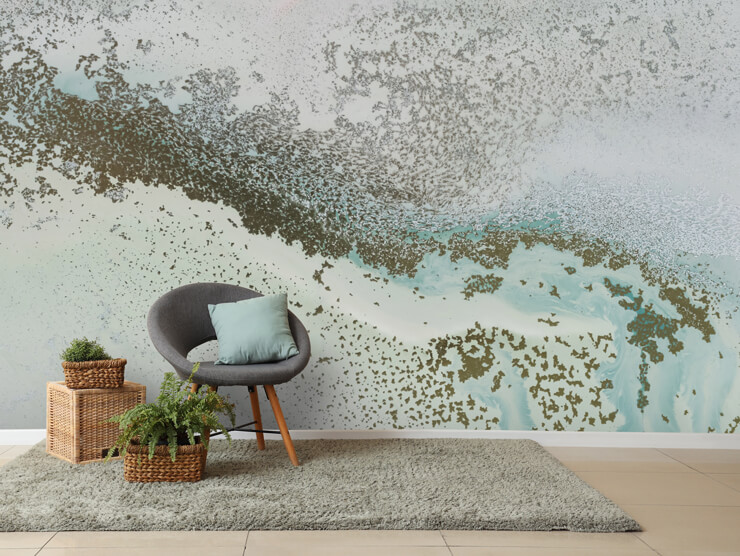
Mural: Shallow Pass
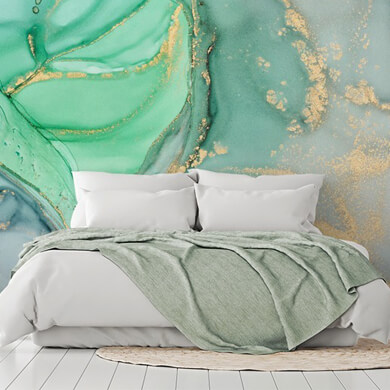
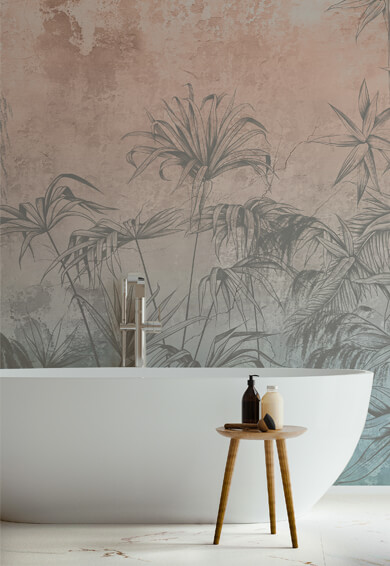
Um mural de parede é um desenho em grande escala que é impresso para se ajustar exatamente à sua parede. Ao contrário do papel de parede, não se repete. Em vez disso, forma uma imagem ou composição completa que abrange toda a superfície.
Um mural pode retratar qualquer coisa, desde paisagens enevoadas e texturas abstratas a cenas arquitetónicas ou obras de arte expressivas. A característica distintiva é que é concebido como uma única declaração visual, em vez de um padrão contínuo. Isto significa que pode imprimir praticamente qualquer coisa como mural de parede, desde que a imagem tenha qualidade suficiente.
Os murais de parede são normalmente fornecidos em painéis cortados às dimensões da sua parede. Cada painel é instalado em sequência para compor a imagem completa, resultando num acabamento impressionante e feito à medida.
Devido à sua escala e composição, os murais são mais frequentemente utilizados como paredes de destaque. Atraem naturalmente a atenção e tornam-se o ponto focal de uma divisão, definindo o tom e a atmosfera de uma forma que o papel de parede normalmente não consegue.
Principais diferenças num relance
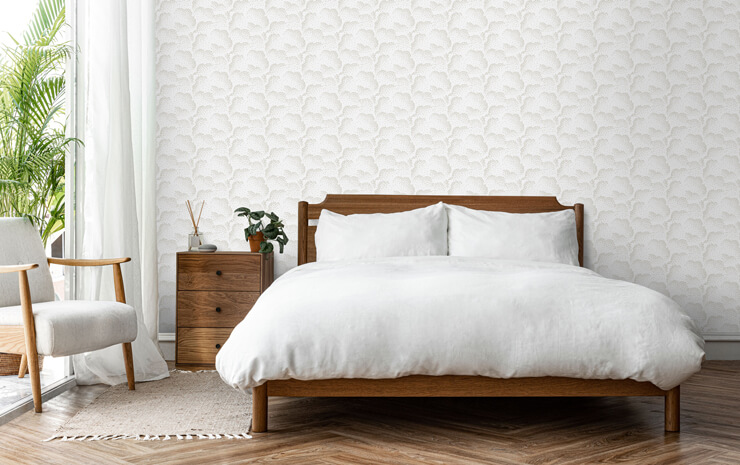
Papel de parede: Clouds White
Embora tanto o papel de parede como os murais de parede sejam utilizados para decorar paredes, as suas diferenças vão além da aparência.
- O papel de parede baseia-se em padrões repetitivos, permitindo um aspeto contínuo e uniforme.
- Os murais de parede são uma imagem única e não repetitiva, concebida para ser vista como um todo.
- O papel de parede tende a ser mais subtil e consistente, ideal para criar ambiente sem sobrecarregar o espaço.
- Os murais são arrojados e envolventes, concebidos para se destacarem e causarem uma impressão imediata.
- O papel de parede é aplicado em rolos com repetições correspondentes, tornando a sua instalação relativamente simples em várias paredes.
- Os murais são instalados em painéis numerados que devem alinhar-se perfeitamente para formar a imagem completa, exigindo uma abordagem mais precisa.
- O papel de parede é produzido em rolos padrão, oferecendo flexibilidade, mas menos personalização em termos de escala.
- Os murais de parede são frequentemente feitos à medida, adaptados às dimensões exatas da sua parede.
- O papel de parede é adequado para cobrir uma divisão inteira e para esquemas de decoração coesos.
- Os murais de parede são ideais para paredes de destaque e áreas de destaque.
Quando escolher papel de parede
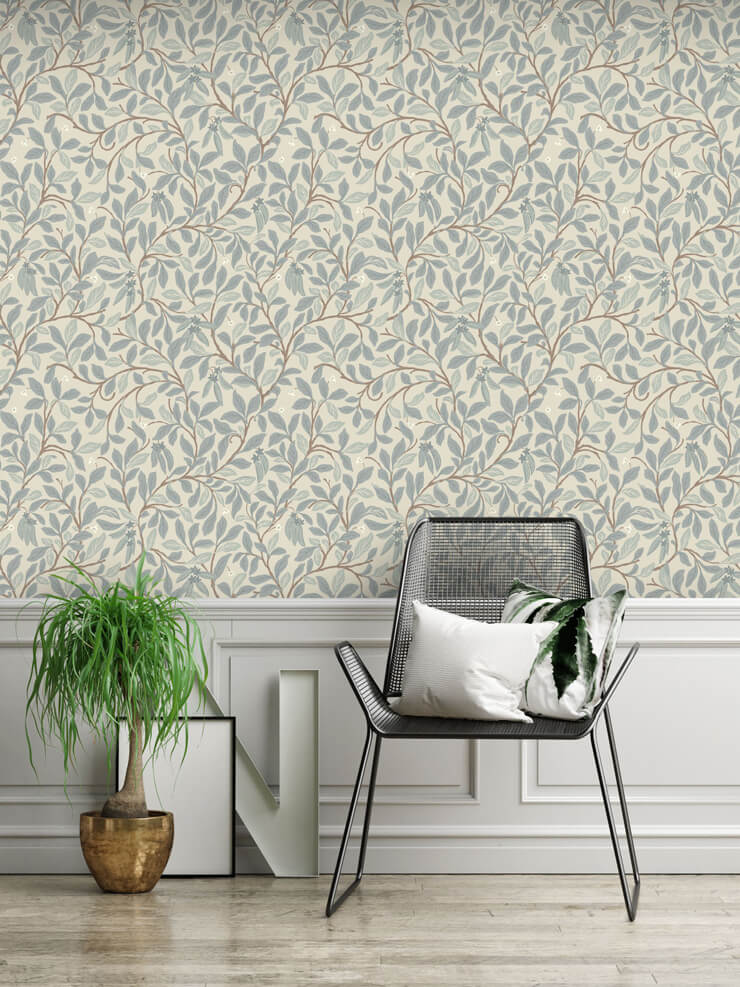
Papel de parede:Folha e Vagem Linho Pedra
O papel de parede é a escolha perfeita quando se pretende uma base consistente e versátil para o seu interior. Funciona especialmente bem em espaços onde se pretende criar um visual em camadas, permitindo que outros elementos de design se destaquem.
Nos quartos, os padrões mais suaves podem criar uma atmosfera tranquilizante e acolhedora, sem parecerem excessivos. Nas salas de estar, o papel de parede pode ajudar a harmonizar paletas de cores, texturas e mobiliário, atuando como um elemento unificador.
O papel de parede também se adapta naturalmente a interiores mais clássicos ou intemporais. Padrões tradicionais , como damascos, riscas ou desenhos de chinoiserie, conferem estrutura e elegância, ao mesmo tempo que deixam margem para a evolução à medida que a sua decoração muda.
Outra vantagem é a flexibilidade. Como o papel de parede não depende de uma composição fixa, é mais fácil de adaptar ou atualizar ao longo do tempo. Isto torna-o uma opção prática se gosta de renovar regularmente os seus interiores ou de experimentar estilos diferentes.
Quando escolher um mural
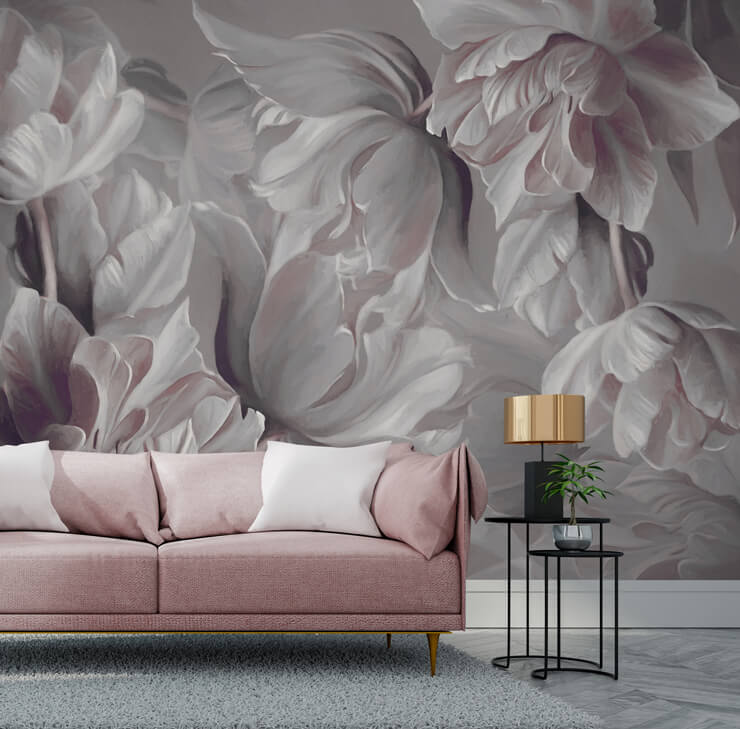
Mural: Tulipas Grandes
Os murais de parede têm tudo a ver com impacto. Se o seu objetivo é criar um ponto focal ou introduzir uma identidade visual forte num espaço, um mural é a solução ideal.
São particularmente eficazes quando se pretende evocar um estado de espírito ou uma atmosfera específicos. Uma paisagem suave pode trazer uma sensação de calma e evasão, enquanto um design abstrato arrojado pode adicionar energia e movimento a um interior moderno.
Os murais também funcionam bem em espaços mais pequenos onde se pretende maximizar o interesse visual. Uma única parede de destaque num corredor, na sala de jantar ou no escritório em casa pode transformar completamente a divisão sem necessidade de decoração adicional.
Para interiores mais contemporâneos ou expressivos, os murais oferecem a oportunidade de tratar as suas paredes como obras de arte. Permitem criatividade e individualidade de uma forma que parece mais cuidada e intencional.
É possível usar os dois em conjunto?
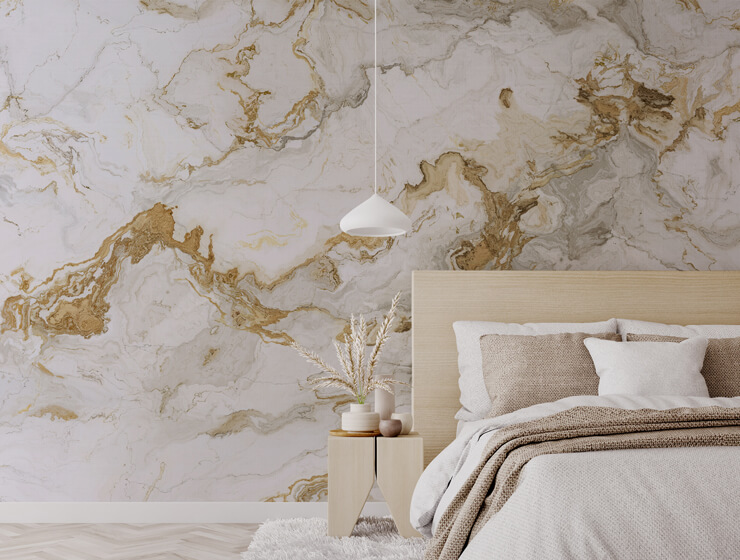
Mural: Mármore Branco com Veios Dourados
Sim, e pode ser incrivelmente eficaz quando bem feito!
Uma abordagem comum é utilizar um mural como elemento de destaque e complementá-lo com papel de parede nas paredes circundantes. Isto cria um equilíbrio entre o impacto e a subtileza, permitindo que o mural se destaque sem sobrecarregar o espaço.
A chave é a coesão. Escolher um papel de parede que retome as cores ou os tons do mural ajuda a criar uma transição harmoniosa entre os dois. Isto garante que o esquema geral pareça pensado, em vez de desconexo.
Combinar ambos também pode adicionar profundidade a uma divisão. O mural proporciona um ponto de foco e conta uma história, enquanto o papel de parede cria um pano de fundo consistente que une tudo.
Escolher entre papel de parede e murais
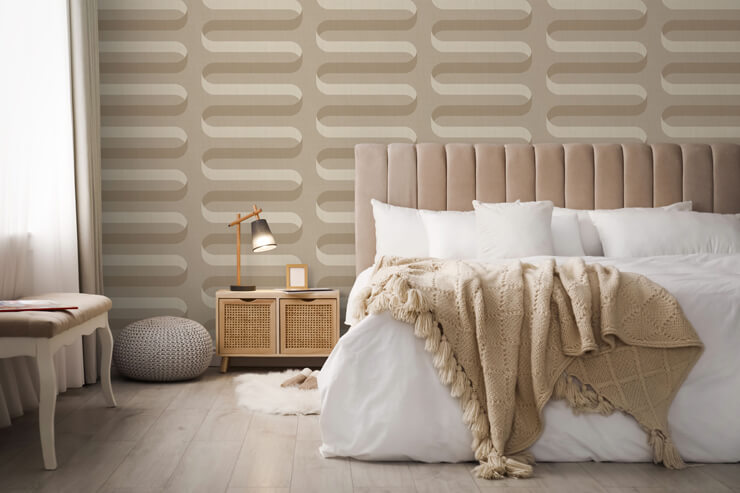
Papel de parede: Folding Ribbon - Wheat
A escolha entre papel de parede e mural resume-se, em última análise, à sensação que pretende transmitir ao seu espaço.
O nosso papel de parede com padrão repetitivo oferece versatilidade, consistência e uma sensação de coesão, tornando-o ideal para designs de divisões inteiras e interiores em camadas. Por outro lado, os nossos murais proporcionam impacto, criatividade e um forte ponto focal, perfeitos para espaços de destaque e paredes de destaque.
Nenhuma das opções é melhor do que a outra. Em vez disso, servem propósitos diferentes no design de interiores. Ao compreender os seus pontos fortes, pode escolher a abordagem que melhor reflete o seu estilo e transforma o seu espaço exatamente da forma que imagina.
Tem murais ou papel de parede na sua casa? Tem alguma preferência entre os dois? Diga-nos nos comentários abaixo!


Últimas redes sociais